




If your skin feels sensitive, start by doing less. Use a gentle cleanser and lukewarm water, avoid scrubbing, pat dry with a clean, soft towel, then apply a moisturizer that suits your skin. Introduce one change at a time. If burning, pain, cracking or persistent irritation continues, speak with a dermatologist.
Start with a simple routine
When skin feels sensitive, a complicated routine can make it harder to understand what is helping. Keep the steps clear: cleanse gently, rinse well, dry without rubbing, moisturize when needed and use sun protection during the day. Add new products one at a time.
Pat, do not rub
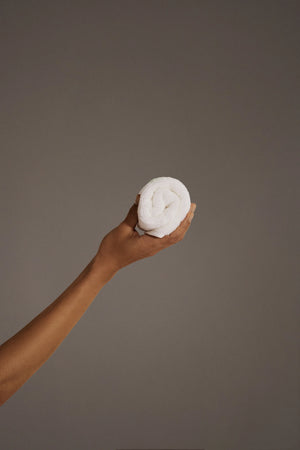
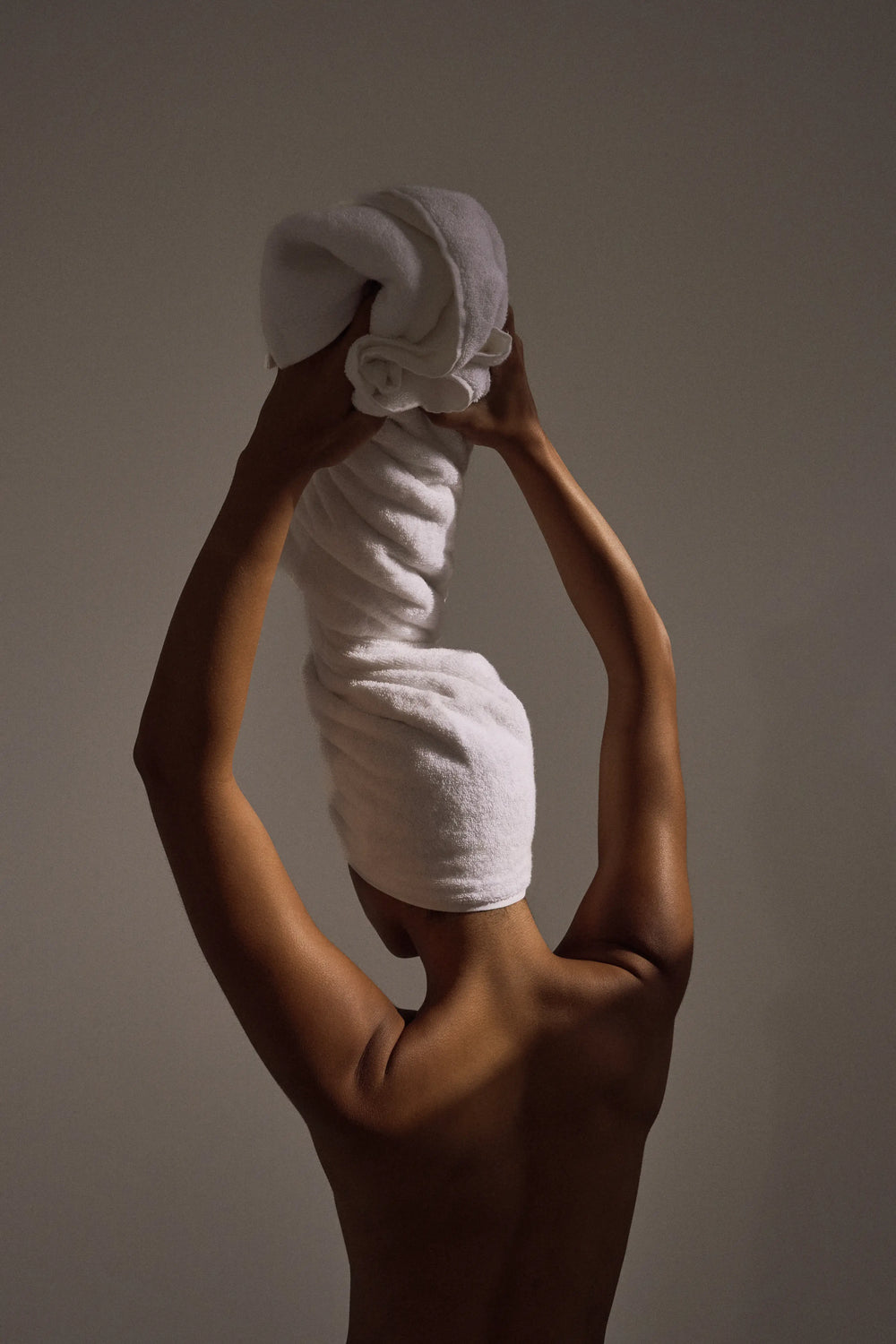
The American Academy of Dermatology recommends rinsing with lukewarm water and patting the face dry with a soft towel. Rubbing and scrubbing add avoidable friction. A towel should lift away moisture without turning the drying step into exfoliation.
Use a clean towel and let it dry
A face towel comes into contact with water, cleanser, makeup, skincare residue and natural oils. Start with a clean towel. Hang it where air can move around it and let it dry fully before the next use. Wash it sooner if it stays damp, develops an odor or shows visible residue.
For a practical wash routine, read How Often Should You Wash a Face Towel?
Why a dedicated face towel can help
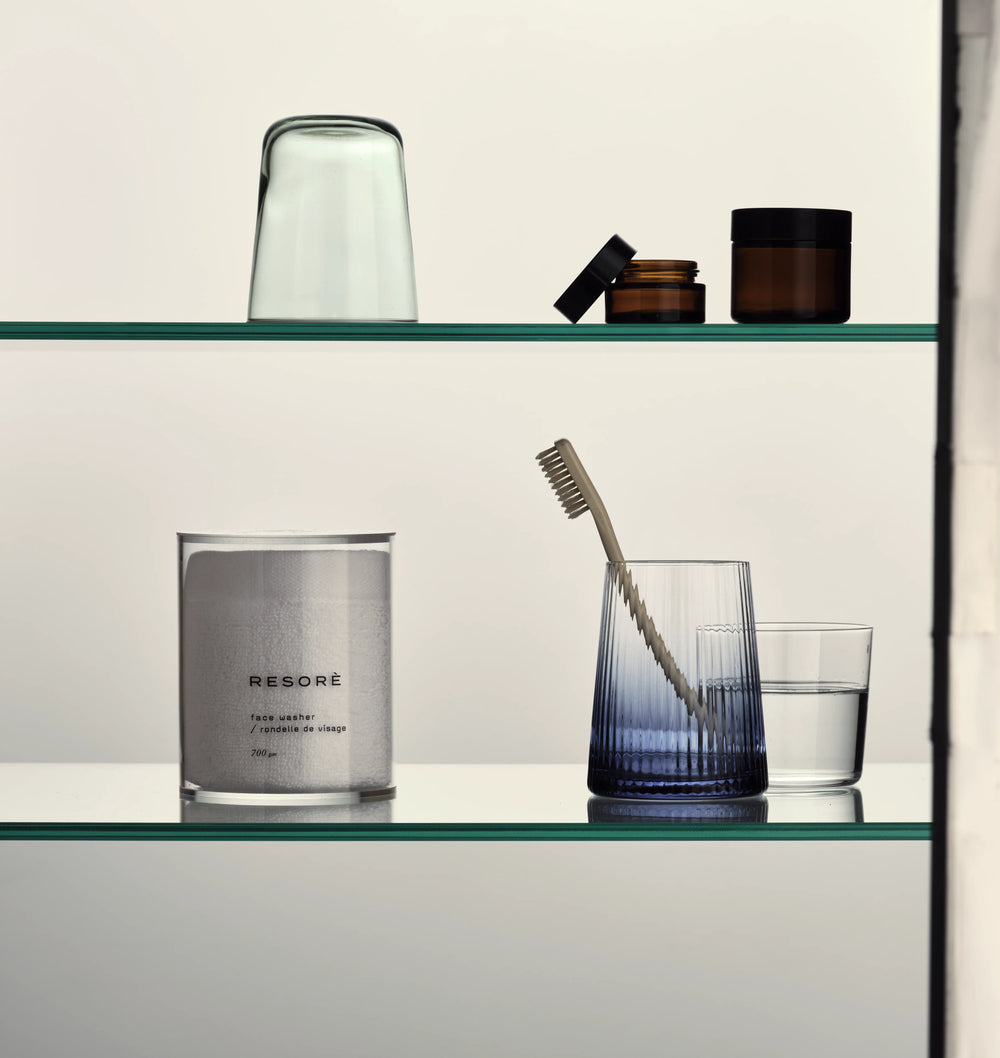
A dedicated face towel keeps the final step of your cleansing routine separate from hands, body and hair. It is a practical choice, not a treatment. In RESORE's 30-day U.S. consumer-perception study, 92.06% of participants said a dedicated face towel felt more hygienic.
What to look for in a face towel
Look for a soft surface, enough absorbency to dry by pressing rather than rubbing, clear care instructions and a size that is easy to keep separate. Certification and textile testing can add useful information, but they should be read for what they actually measure.
How the RESORE Face Towel is made
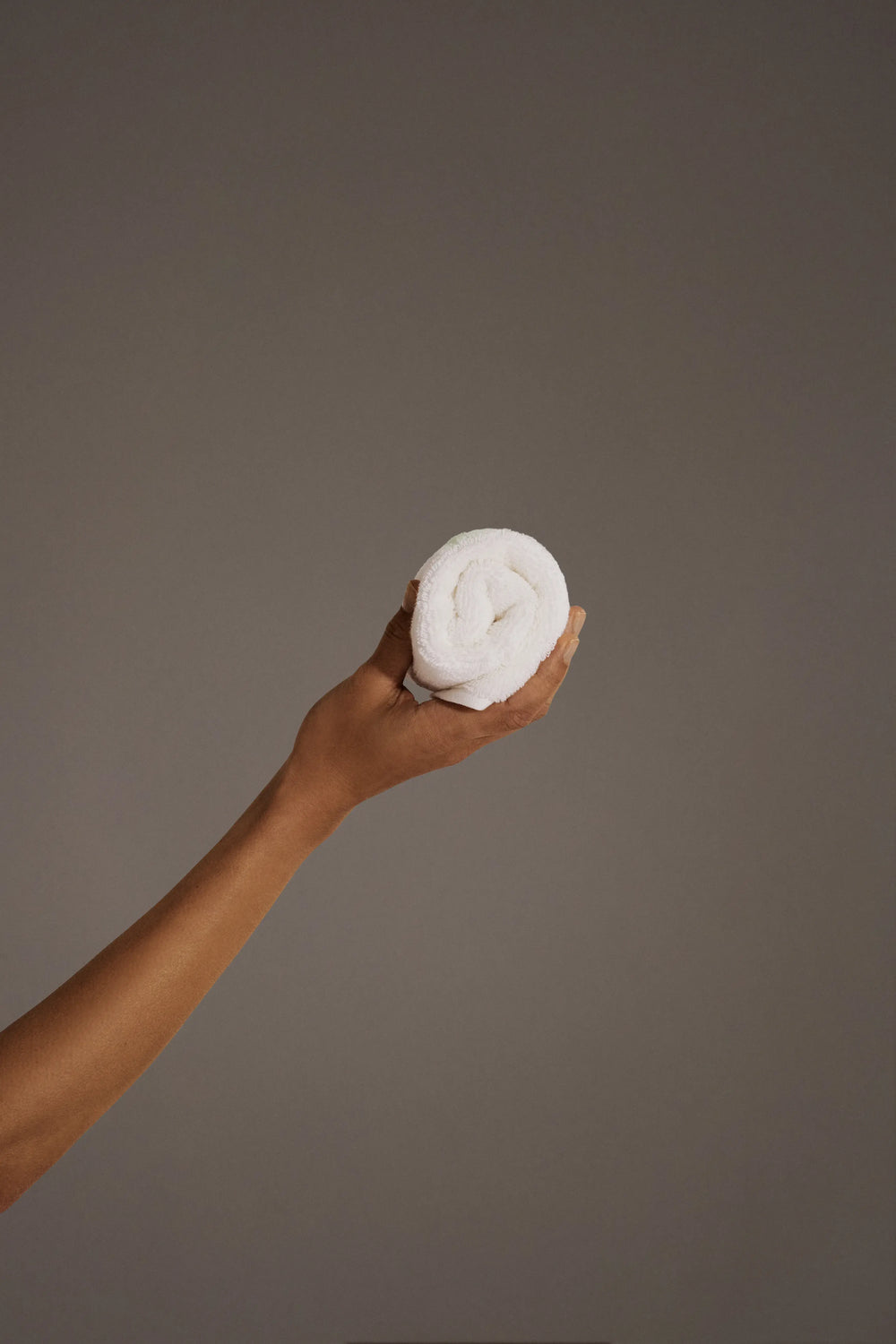
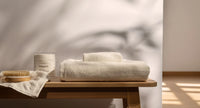
The RESORE Face Towel measures 12 x 12 inches and is made at 700 GSM. Its blend is 67% Aegean Turkish cotton, 15% TENCEL™ Lyocell fibers, 15% rayon made from bamboo and 3% SILVERbac polyester. The towel is certified according to OEKO-TEX® STANDARD 100.
Lenzing describes TENCEL™ Lyocell fibers as naturally soft and smooth to the touch, with moisture-control properties that support a natural dry feeling. That is fiber-level information. It is not a clinical result for a finished towel. The bamboo-derived component is correctly described as rayon made from bamboo.
What the textile test found
In AATCC 100 testing, the RESORE construction showed a 99.24% reduction of S. aureus and 99.48% of K. pneumoniae. After five washes, the results were 98.91% and 99.29%, respectively.
These results describe bacteria reduction on fabric under laboratory conditions. They do not mean that the towel is sterile, cleans the skin or treats acne, eczema, psoriasis or another skin condition. The towel still needs normal care and laundering. Read the full distinction in How RESORE Tests Its Towels.
What participants said after 30 days
A 30-day U.S. in-home consumer-perception study had 126 completed respondents. The final results summary reported that 97.62% loved the towel's soft feel, 94.44% said the fluffy fibers felt soothing and 92.06% said a dedicated face towel felt more hygienic.
These were self-reported perceptions, not clinical findings. They describe how participants experienced the towel during the study and do not establish treatment or prevention of a skin condition.
How to care for the towel
Machine wash on a gentle cycle at up to 100°F. Use a mild detergent, avoid fabric softener and keep the towel away from abrasive items. Tumble dry for lasting plushness. Always follow the care label on your product.
When to ask for professional advice
A towel can make the drying step softer and more considered, but it cannot diagnose or treat persistent skin symptoms. Speak with a board-certified dermatologist if irritation continues, worsens, becomes painful or affects broken skin.
Frequently asked questions
What should I do first if my skin feels sensitive?
Simplify the routine. Use a gentle cleanser and lukewarm water, avoid scrubbing, pat dry with a clean, soft towel and add one new product at a time. Ask a dermatologist about persistent, painful or worsening irritation.
Is it better to pat or rub sensitive skin dry?
Pat gently. The American Academy of Dermatology recommends patting the face dry with a soft towel. Rubbing adds friction that can make already-sensitive skin feel less comfortable.
Should I use a separate towel for my face?
A dedicated face towel keeps the drying step separate from hands, hair and body. In RESORE's 30-day U.S. consumer-perception study, 92.06% of participants said a dedicated face towel felt more hygienic.
What should I look for in a face towel?
Look for a soft surface, enough absorbency to pat skin dry, clear care instructions and a size that is easy to keep separate. Read certification and laboratory claims for what they actually measure.
Is RESORE suitable for sensitive-feeling skin?
RESORE is designed for a soft, low-friction drying step and has been positively rated in a 30-day consumer-perception study. Individual skin needs differ. The towel is not a treatment for a skin condition.
Does RESORE treat acne, eczema, psoriasis or rosacea?
No. RESORE does not claim to diagnose, treat or prevent a skin condition. Customers may describe their own experiences, but a testimonial is not a clinical result.
What does OEKO-TEX® STANDARD 100 mean?
It means a tested textile has been checked for harmful substances against the standard's criteria. It does not mean a product treats skin or guarantees that no individual will react to it.
What is TENCEL™ Lyocell?
TENCEL™ is Lenzing's brand of lyocell fiber. Lenzing describes the fibers as soft and smooth to the touch, with moisture-control properties that support a natural dry feeling.
Why does RESORE say rayon made from bamboo?
The bamboo plant is processed into rayon, so U.S. textile guidance requires the finished fiber to be described as rayon made from bamboo rather than bamboo fiber.